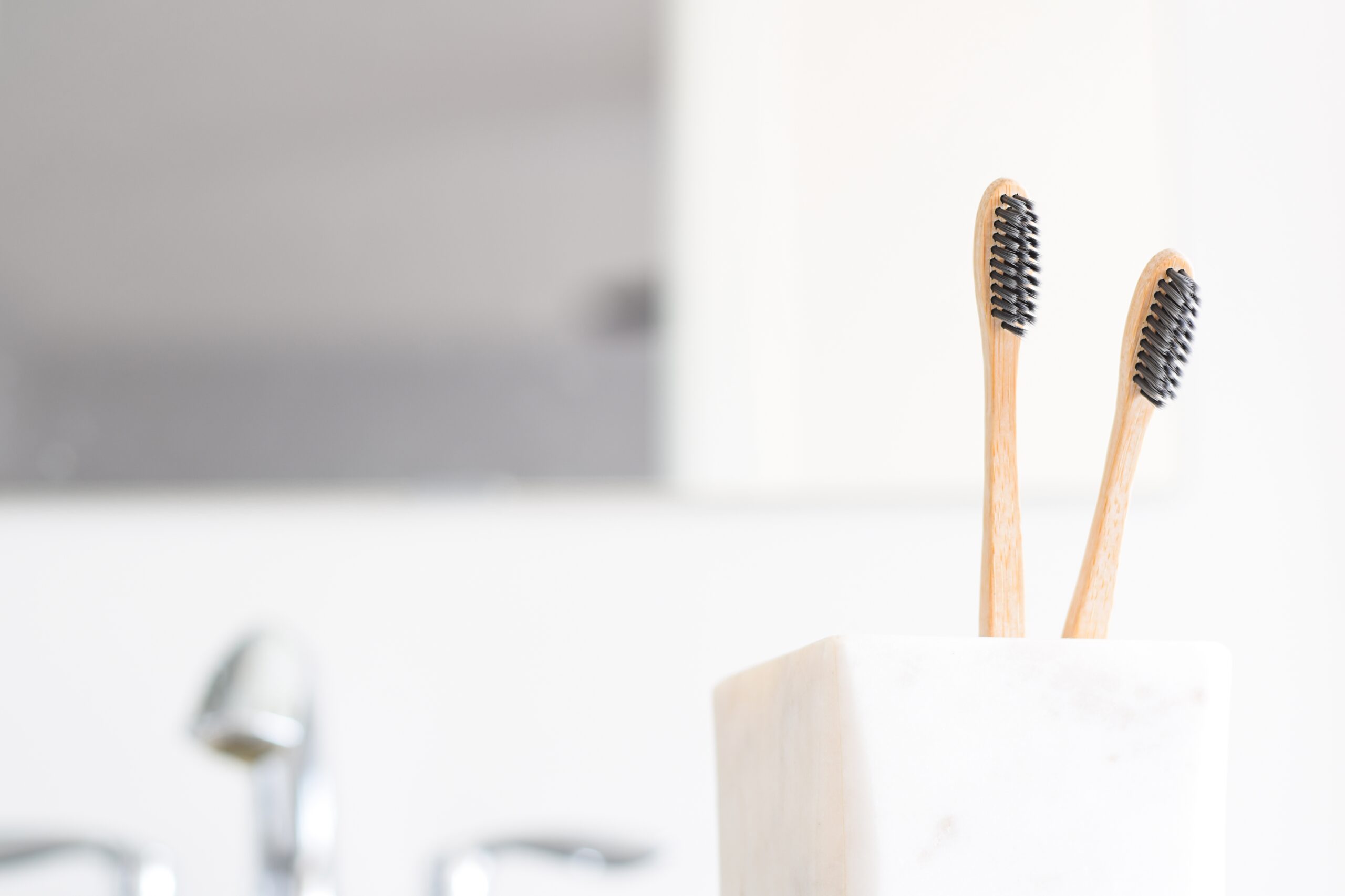
Swapping to a bamboo toothbrush is one of the easiest plastic-free changes you can make, and it’s often the first one people try. But once you start browsing, you’ll notice they’re not all the same. Bristle types, handle shapes, finishes and packaging all vary, and some “eco” claims are a bit more generous than others.
The good news is that a decent bamboo toothbrush cleans your teeth just as well as a regular plastic one. What matters is choosing the right bristles and head size, then looking after it so the handle stays in good shape.
Here’s what to look for, what to be wary of, and how to pick the right one for you and the family.
What is a bamboo toothbrush?
A bamboo toothbrush is a manual toothbrush with a handle made from bamboo instead of plastic. Bamboo is a fast-growing grass that regrows after harvesting, so it’s a popular, more sustainable material for everyday products that get replaced often.
The important thing to know is that the bamboo handle is only one part of the brush. The bristles are a separate material, and that’s where most of the differences between brands lie. It’s worth reading the product details on any listing before you buy.
Bristles: the part that really matters
Most bamboo toothbrushes use nylon bristles, the same type of material used on plastic toothbrushes. Nylon is used because it’s hygienic, dries quickly and cleans well. The trade-off is that nylon isn’t compostable, so the bristles need removing before the handle goes in the compost.
You’ll typically see three types:
- Standard nylon bristles: the most common option and the one most similar to a plastic toothbrush.
- Plant-based nylon: some brands use nylon made partly from plant sources such as castor oil. It’s a step in the right direction, but it’s still a type of nylon, so check what the listing actually says before assuming it’s biodegradable.
- Natural animal bristles: rarer, usually boar hair. These aren’t vegan and tend to be harder to keep clean, so most people stick with nylon.
Be cautious with listings that describe the whole toothbrush as “100% biodegradable”. Unless the bristles are clearly explained, it’s likely only the handle that will break down.
Soft, medium or firm?
For most people, soft or medium is the safest choice. Dentists generally advise against hard bristles, as brushing too hard can wear enamel and irritate gums over time. If your gums are sensitive, a gentle, extra soft head is kinder. Many brands print the firmness on the bamboo handle or the box.
What to look for in a bamboo toothbrush
Here’s our quick checklist before you buy.
- Head size. A small to medium head makes it easier to reach the back teeth. Children need a smaller head again.
- Bristle firmness. Soft or medium for most adults, as above.
- Handle finish. Some handles are left natural, others are sealed with a plant-based wax or coating to help them resist water. A smooth, well-sanded handle is more comfortable and less likely to splinter.
- Handle shape. Flat handles are common and easy to grip. Some have a slight curve or grip area for extra comfort.
- Numbered or coloured handles. Really handy in a family bathroom, so nobody mixes up whose brush is whose.
- Packaging. Look for recycled or recyclable cardboard packaging, with no plastic wrapping.
- Multipacks. Since you’ll be changing your brush regularly, a pack of four or more can save repeat buying.
Here’s a selection of bamboo toothbrushes to compare.
-

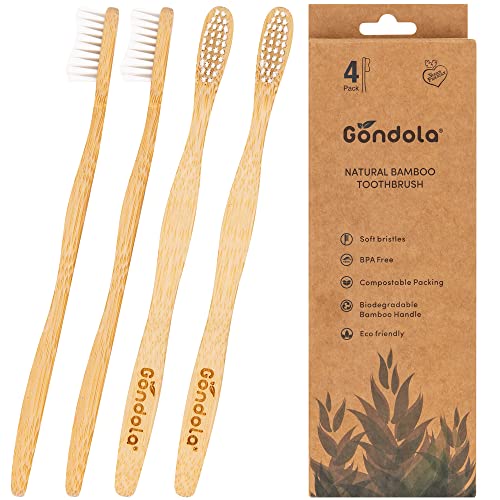
Gondola Adults Bamboo Toothbrushes – Eco Friendly Wooden Toothbrushes with Soft Bristles & Smooth Bamboo Handles – Biodegradable & Zero Waste Packaging – 4 Pack
£9.40 -
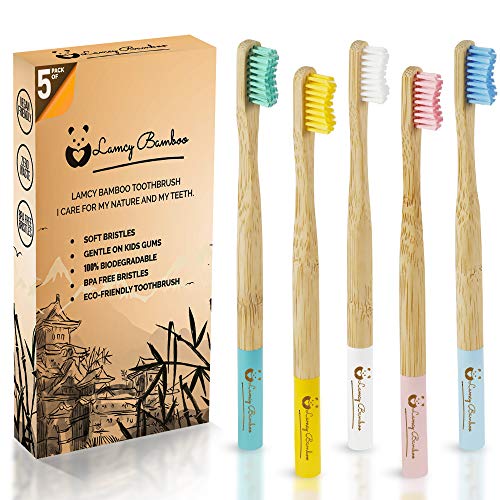
Lamcy Bamboo Toothbrushes for Adults with Medium Bristles | Pack of 5 Natural Bamboo Toothbrush | Eco-Friendly Natural Wooden Toothbrush | Organic Biodegradable Handle | BPA Free Tooth Brushes
£6.98 -

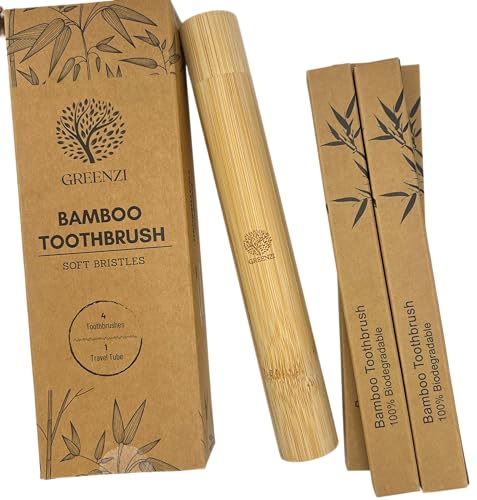
Greenzy Bamboo Toothbrush (4 Pack) with Travel Case
£10.99 -
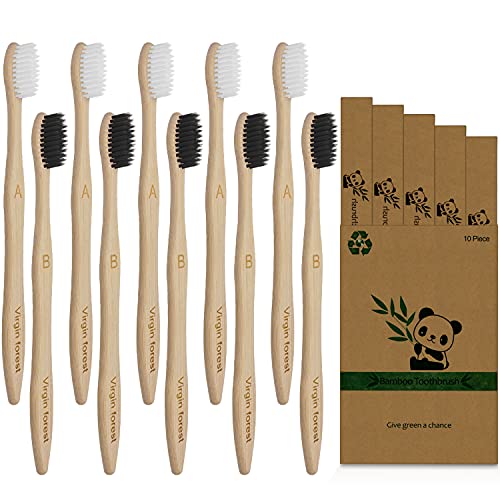
Bamboo Toothbrushes, 10 Pcs Eco Friendly Biodegradable Toothbrush with Soft Bristles 5 Black & 5 White
Original price was: £9.99.£8.07Current price is: £8.07.
Are bamboo toothbrushes good for teeth?
Yes. A bamboo toothbrush cleans your teeth in exactly the same way as a plastic one, because it’s the bristles and your brushing technique that do the work, not the handle. Brush twice a day for about two minutes with a fluoride toothpaste, and you’re doing the important part.
The only real difference you’ll notice is the feel. Bamboo handles are often lighter and a little flatter than chunky plastic ones. Most people get used to it within a few days.
Bamboo vs plastic toothbrushes
| Bamboo toothbrush | Plastic toothbrush | |
|---|---|---|
| Handle | Bamboo, can be composted once bristles are removed | Plastic, rarely recycled |
| Bristles | Usually nylon | Usually nylon |
| Cleaning performance | Same, depends on bristles and technique | Same, depends on bristles and technique |
| Care | Needs to dry between uses | Low maintenance |
The main advantage is waste. Conventional toothbrushes are made to be thrown away every few months, so an eco-friendly swap like this cuts down on what heads to landfill from your bathroom. It won’t make your home zero waste on its own, but it’s an easy, effective start that’s better for the environment over the years.
Kids’ bamboo toothbrushes
A kids bamboo toothbrush is usually shorter, with a smaller head and extra soft, gentle bristles. Many come in fun colours or with animal designs, which can help make brushing feel less of a chore. Children’s brushes are often labelled with an age range in years, so pick one that suits your child and supervise younger children while they brush. Your dentist can advise on the right amount of toothpaste for their age.
How to look after a bamboo toothbrush
Bamboo handles last well as long as they’re allowed to dry. Rinse your brush after use, shake off excess water and store it upright in a holder with good airflow, rather than lying in a puddle by the tap. A bamboo toothbrush holder with drainage works well. We’ve covered this in more detail in our guide on how to care for your bamboo toothbrush.
When it’s time to replace it, pull out the bristles with pliers and put them in general waste. The handle can go in your home compost, or be reused as a plant marker in the garden. Check with your local council before putting it in a garden waste bin, as rules vary.
If you’re looking for more easy swaps, our personal care section has plenty of ideas, including bamboo cotton buds.
Frequently asked questions
Are bamboo toothbrushes good for teeth?
Yes. They clean as well as plastic toothbrushes because the bristles and your brushing technique do the work. Choose soft or medium bristles and brush twice a day with fluoride toothpaste.
How often should you change a bamboo toothbrush?
The general advice is to replace your toothbrush every three months, or sooner if the bristles look splayed or worn. That applies to bamboo and plastic brushes alike, so a bamboo brush lasts about as long as any other if you keep it dry between uses.
Are bamboo toothbrush bristles recyclable?
Usually not through household recycling. Most bristles are nylon, so remove them with pliers and put them in general waste before composting the handle. Check the listing in case the brand offers its own take-back scheme.
What is the healthiest toothbrush for your teeth?
One with a small head and soft or medium bristles that you’ll use properly twice a day. Manual or electric, bamboo or plastic, a good brushing routine matters most. If you’re unsure, ask your dentist. Bamboo is mainly used for manual brushes, so if you prefer an electric toothbrush, check whether your brand offers a recycling scheme for its heads.
Why choose a non-plastic toothbrush?
Mainly to cut waste. You’ll get through several toothbrushes a year, and a bamboo handle can be composted once the bristles are removed, while a plastic one usually ends up in landfill.
Are there any other eco-friendly dental products?
Yes. Many people pair a bamboo toothbrush with a bamboo toothbrush holder, refillable floss or toothpaste in recyclable packaging. Check the details on each listing to see what’s actually recyclable.